Knowledge Base

SEO
Engineering
Log

Technical deep dives into search algorithms, rendering performance, and the future of the web.

Latest Articles

The Homepage Trap: Why High - Traffic Pages Still Underperform in Search
Article

The Homepage Trap: Why High - Traffic Pages Still Underperform in Search

A strong homepage does not guarantee strong results. We see this a lot: the site has links, brand searches, and decent authority, yet key pages still underperform. Rankings stall. Click through rates stay weak. Conversion paths leak traffic. The culprit is often not authority at all. It is alignment. When the meta description, title tags, search intent, on page messaging, and internal linking all pull in different directions, Google gets mixed signals and users do too. That mismatch creates a quiet but expensive problem: the homepage looks healthy while revenue pages stay invisible or fail to convert. In this guide, we break down the symptoms, the real root causes, and the exact framework we use to fix them. We will show how we diagnosed the issue, what we changed, examples of metadata and linking updates, and the before and after metrics that proved the fixes worked. If your homepage is strong but growth pages are flat, this is where to start.

Mygom Seo
Mygom Seo
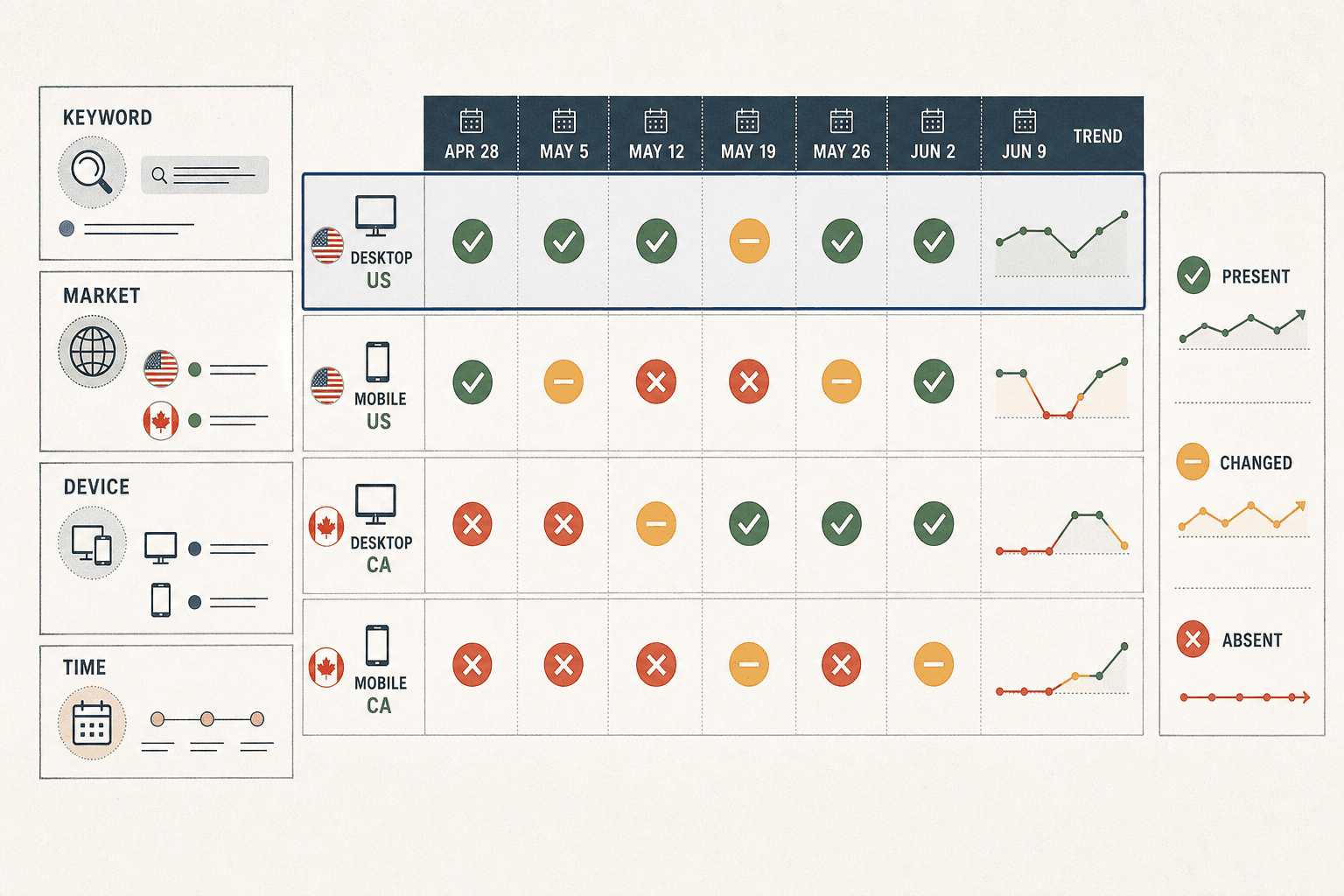
How to Turn Keyword Tracking Data Into a Smarter Weekly Content Queue
Article

How to Turn Keyword Tracking Data Into a Smarter Weekly Content Queue

seo content strategy gets easier when you stop guessing and start working from movement. This guide shows you how to turn keyword tracking, ranking data, and page-level signals into a simple weekly workflow. You will learn how to set up the inputs, spot intent gaps, and prioritize pages and topics based on real opportunity instead of opinions. The goal is practical: decide what to publish, what to update, and what to pause every single week. You will move step by step, from setup to action to verification, so your team can see progress fast. By the end, you will have a repeatable system for content prioritization that helps you protect rankings, find quick wins, and avoid wasting time on low-impact ideas. Short version: less noise, better decisions, more search growth.

Mygom Seo
Mygom Seo
The Backlink Alerts Worth Acting On—and the Ones You Can Ignore
Article

The Backlink Alerts Worth Acting On—and the Ones You Can Ignore

Backlink monitoring sounds simple until your team is buried in alerts, spreadsheet exports, and random link changes that never mattered. We have seen it firsthand. A few links disappear, a dashboard spikes, someone panics, and hours vanish chasing noise instead of fixing real risk. The bigger problem is not missing data. It is missing context. Most teams track every change the same way, so harmless fluctuations look urgent while toxic backlinks and high-value losses get buried. That slows response time, wastes budget, and makes link building analysis harder than it should be. In this guide, we break down the real causes behind messy link monitoring, the quick fixes that fail, and the workflow we built to separate signal from noise. We will show how we score changes, route alerts, verify link losses, and turn backlink monitoring into a practical operating system marketers can actually trust.

Mygom Seo
Mygom Seo
When an SEO Tool Says ‘Critical,’ What Should You Actually Fix First?
Article

When an SEO Tool Says ‘Critical,’ What Should You Actually Fix First?

Most teams do not have an SEO problem. They have a prioritization problem. A dashboard flags hundreds of warnings, labels them as critical, and suddenly everything feels urgent. So the team chases red badges, fixes low-value issues, and still misses traffic, leads, and revenue targets. We have been there. That is why we stopped treating every alert inside an seo audit tool as equal. Instead, we built a simpler framework that scores issues by business impact first, technical severity second. In this article, we break down the real problem, why standard website audit workflows create noise, and how we changed our process to focus on pages, issues, and fixes that actually move growth. We will show the root cause, the quick fixes that fail, the scoring logic we use, sample configurations, and the before and after results we saw across client work. If your team is drowning in site health alerts, this is the practical reset.

Mygom Seo
Mygom Seo
The Small - Team SEO Stack Is Shrinking—and That's a Good Thing
Article

The Small - Team SEO Stack Is Shrinking—and That's a Good Thing

SEO software is supposed to simplify growth. In practice, most startups and SMBs have turned it into another tab in an already bloated stack. We see the same pattern over and over: one tool for rankings, another for briefs, another for publishing, another for reporting, and too many manual handoffs between them. The result is not better marketing. It is slower execution, messier data, and a team that spends more time managing tools than shipping work. Our view is simple: consolidation is no longer a nice-to-have. It is becoming a real competitive advantage. When lean teams connect SEO, content, workflows, and publishing in one system, they move faster and waste less. In this piece, we explain why the old best-of-breed playbook is starting to fail, what we built in response, what results we have seen with clients, and why we believe the next generation of SEO software will win by replacing operational drag, not adding to it.

Mygom Seo
Mygom Seo
How to Set Up Always - On SEO Monitoring Without Creating Alert Fatigue
Article

How to Set Up Always - On SEO Monitoring Without Creating Alert Fatigue

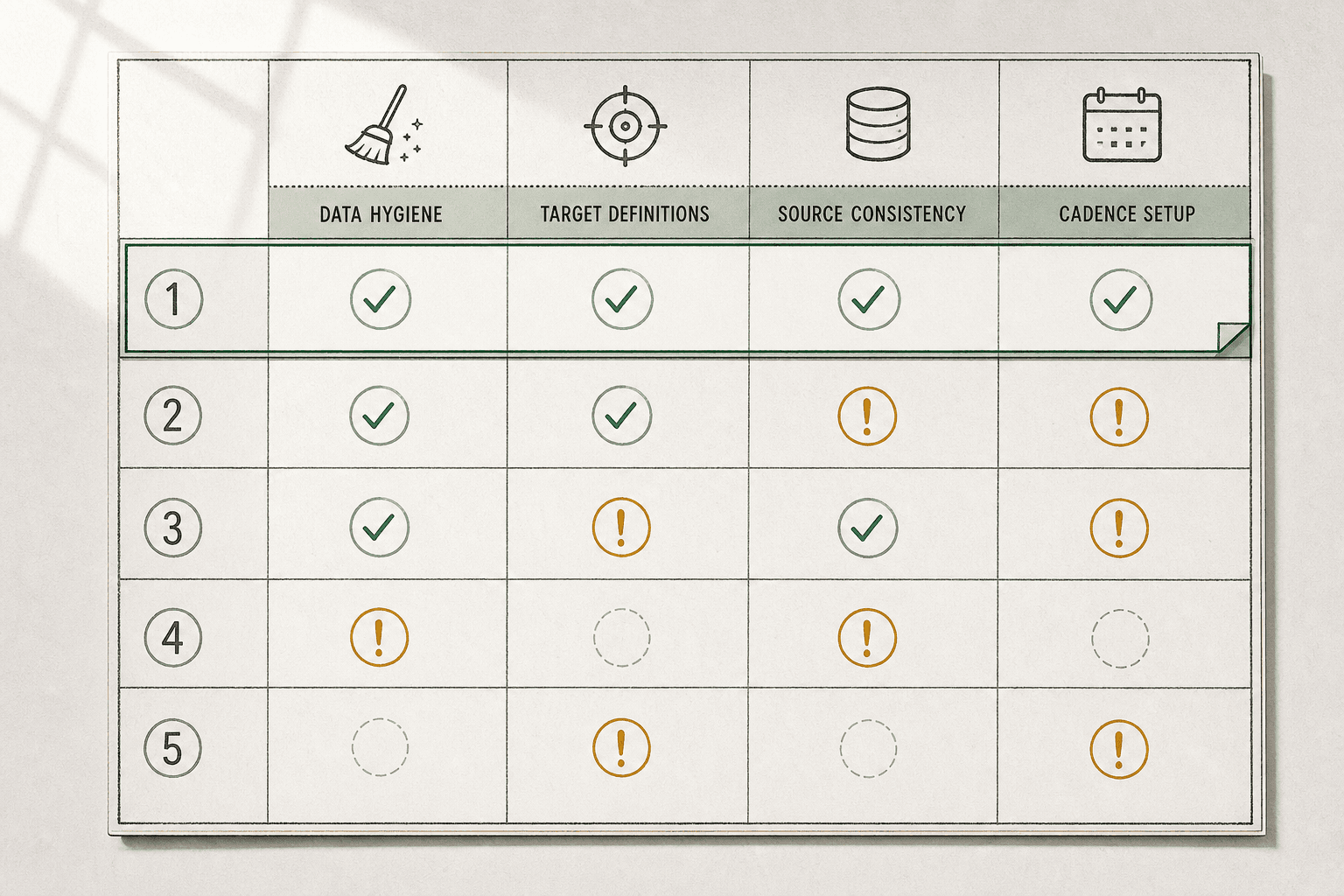
SEO problems rarely happen at a convenient time. Rankings dip overnight. Pages break after a release. Indexing stalls quietly. Then your team gets flooded with noisy notifications and misses what matters. This tutorial shows you how to build a practical seo monitoring workflow from scratch so you can watch the right signals 24/7 without creating alert fatigue. You’ll start with a simple monitoring baseline, then layer in rank tracking alerts, technical checks, and clear severity rules that help your team respond fast. Along the way, you’ll learn why certain metrics deserve alerts, how to separate signal from noise, and how to test your setup before relying on it in production. The goal is simple: fewer surprises, faster fixes, and alerts your team will actually trust. If you want a lean system that keeps SEO performance visible without turning Slack into chaos, this walkthrough is for you.

AI Content Writer vs Human Editor: The Smartest Split of Work for Lean Teams
Article

AI Content Writer vs Human Editor: The Smartest Split of Work for Lean Teams

SEO copywriting is no longer a simple human-versus-AI debate. Most teams now have three real options: fully AI-led writing, fully human-led writing, or a hybrid workflow that uses both. The right choice affects more than output volume. It shapes speed, content quality, search performance, internal workload, and brand trust. This comparison article breaks down those options using clear evaluation criteria: speed, quality control, strategic thinking, brand voice, scalability, and risk. It also shows where AI should lead, where humans should step in, and how the handoff changes outcomes inside a real content workflow. Readers will get an equal, side-by-side look at AI, human, and hybrid seo copywriting models, plus a quick comparison table and scenario-based recommendations. The goal is simple: help marketing teams and founders choose the setup that fits their stage, resources, and growth targets without hype, dogma, or vague advice.

Mygom Seo
Mygom Seo
The Approval Bottleneck: Why Great Content Still Misses Its Publish Date
Article

The Approval Bottleneck: Why Great Content Still Misses Its Publish Date

Content gets stuck for the same reasons in most teams. Too many reviewers. Vague briefs. Random feedback in Slack. Last minute rewrites. Then everyone blames speed, headcount, or the writer. We have seen the real issue again and again. The system is broken, not the people. That is where content operations matters. In this article, we break down why internal review cycles drag on, how that hurts output and campaign timing, and what we built to reduce friction. We will show how we use a tighter marketing workflow, structured drafts, and a brand trained AI content writer to keep content moving without losing quality. You will also see the implementation details that made the difference, from status rules and review checkpoints to prompt structures and approval logic. If your team is waiting days for signoff, this is the practical fix. Less chaos. Fewer loops. Faster publishing.

Mygom Seo
Mygom Seo
Most SEO Dashboards Are Too Polite: They Show Data, Not Decisions
Article

Most SEO Dashboards Are Too Polite: They Show Data, Not Decisions

Decision making does not improve because a dashboard looks clean. It improves when a team knows what to do next, why it matters now, and what happens if they wait. That is the gap most reporting stacks still ignore. They summarize performance. They rarely drive action. We have seen this firsthand across SEO, content, and growth workflows. Teams open dashboards, nod at the charts, then go back to Slack asking the same question: so what should we do? That delay is expensive. It slows campaigns, hides priorities, and turns reporting into a weekly ritual instead of a growth system. In this piece, we argue that dashboard design is broken when it stops at data visualization. We share what we built, why we built it, and how we use action-led seo reporting to support faster decisions for in-house teams and founders. We also break down the current state of reporting, the pushback we hear, and what leaders should change next if they want dashboards that drive outcomes instead of just attention.

Mygom Seo
Mygom Seo