How to Survive a Google Core Update With Agentic SEO
A Google core update can crush rankings, traffic, and team confidence in a day. One bad swing can stall leads, dent revenue, and make every SEO call feel wrong. According to Search Engine Journal, 05x. Data from Search Engine Journal shows 6x. We built SEO automation workflows for real SMB and startup teams facing this exact mess. They help us spot the real cause, not just the loud symptom. In this guide, we’ll show you how we diagnose losses, avoid panic fixes, and build a Google core update recovery plan that actually works.
Google core update symptoms and business impact
What the drop usually looks like
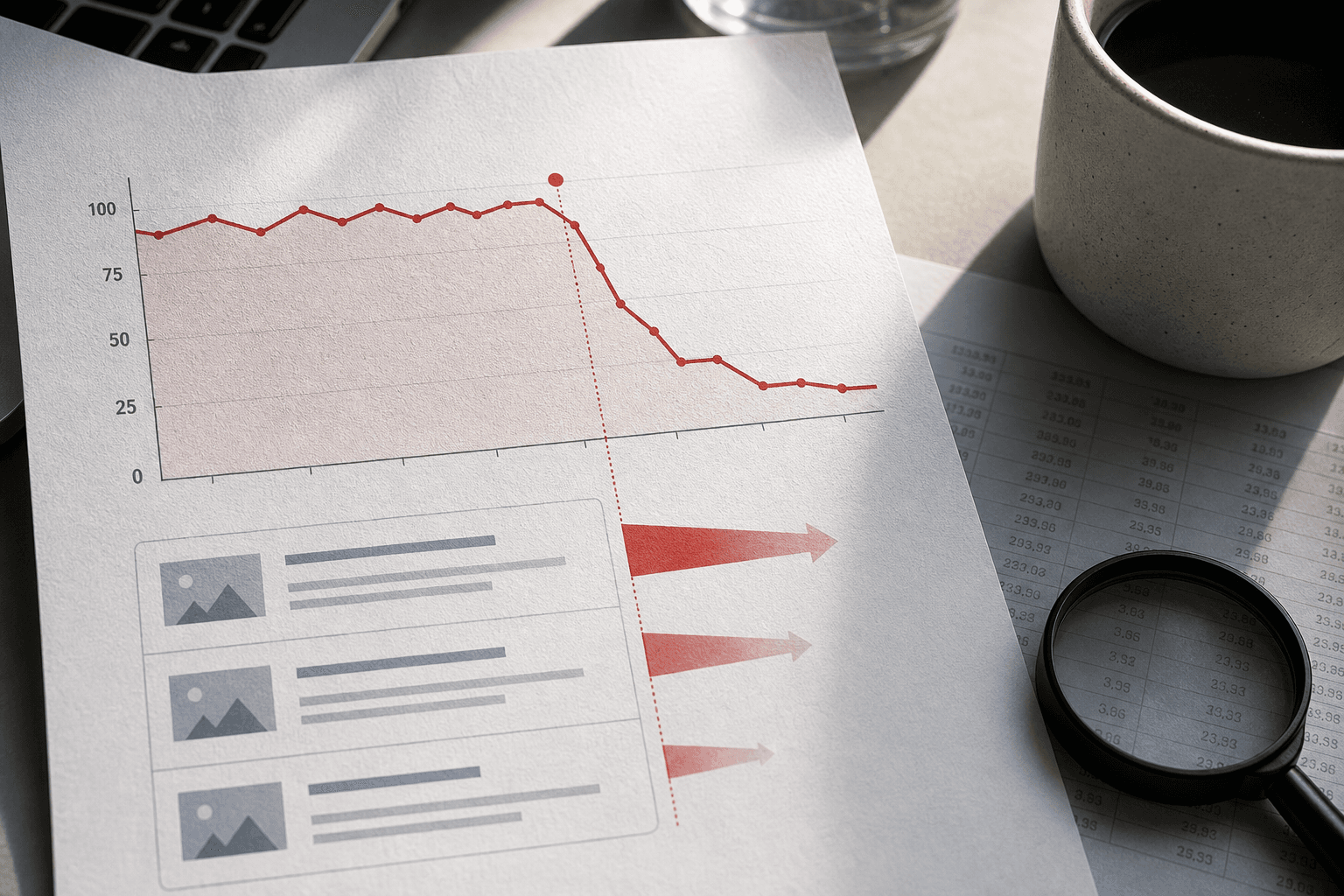
When a Google core update hits, the pattern is usually broad - you won't see just one weak page slip. Instead, rankings fall across clusters, page types, and keyword groups all at once. That's the first clue the core algorithm, not one bad edit, likely caused the drop.
We learned this the hard way on a rough Monday morning. Search Console looked like a spilled drink. Blog posts, comparison pages, and solution pages all dipped together. That kind of spread matters more than one lost URL.
So how do you know if a Google core update caused your traffic drop? We check four things first. We look at keyword spread, page type patterns, CTR shifts, and conversion damage before touching content. If the decline lines up with when Google began rolling, and many sections fell together, that is a strong signal.Google May 2026 Core Update is Complete | Ignite Digital ICYMI: Google began rolling out... - Search Engine Journal
Quick fixes often make this worse. Mass content pruning can erase useful evidence. Title rewrites can muddy CTR data. In autonomous SEO, bad diagnosis is often more expensive than slow action.
For a visual walkthrough of this process, check out this tutorial from LinkBuilding HQ:
Why traffic loss turns into pipeline loss fast
Traffic loss sounds like an SEO dashboard problem. It rarely stays there. The real damage shows up fast in demo requests, MQL volume, and rising paid dependency. A search engine drop can force your team to buy back lost attention.
That is why we track business signals before making changes. If non-brand sessions fall, high-intent pages lose clicks, and form fills dip next, the problem is already moving downstream. Core update recovery starts with understanding commercial impact, not just rankings.How To Survive Algorithm Updates With AI: An Ultimate SEO Guide Mastering Content Optimization: The Key to SEO Success in Digital Marketing | Agility CMS
Do Google core updates affect every site? No. But they can affect any site that depends on organic visibility in categories Google reevaluates. That is why calm diagnosis beats panic every time.Google Jan 2026 Update: Website Architecture Killing Your SEO | Updated to May
Root cause analysis after a core update

Symptoms versus root causes
If your rankings dropped after a Google core update, don't start with panic. Traffic loss is just the symptom - the root cause usually sits deeper in the site.
We see the same pattern often. Content stops matching current search intent. Coverage looks broad, but topical depth is thin. Key pages feel dated, vague, or interchangeable. Trust signals also weaken when authorship, sourcing, and site structure feel inconsistent.
That is why we try to understand the ranking loss in context first. A drop does not automatically mean Google penalized your site. It often means the core algorithm found other pages that better matched intent, trust, or completeness.
One moment still sticks with us. Forty-seven browser tabs were open. Week three of research. We were still guessing, because we kept staring at fallen pages instead of the pattern connecting them.
What we audit first
For core update recovery, we audit clusters before URLs. We map page groups by topic, format, and funnel stage. Then we compare winners, losers, and pages that stayed flat.
Next, we audit search intent fit. We check whether the page still answers the query people actually mean today. We also review SERP overlap, because two pages chasing the same term can split relevance and weaken both. Once we understand the content issues, we move to technical structure.
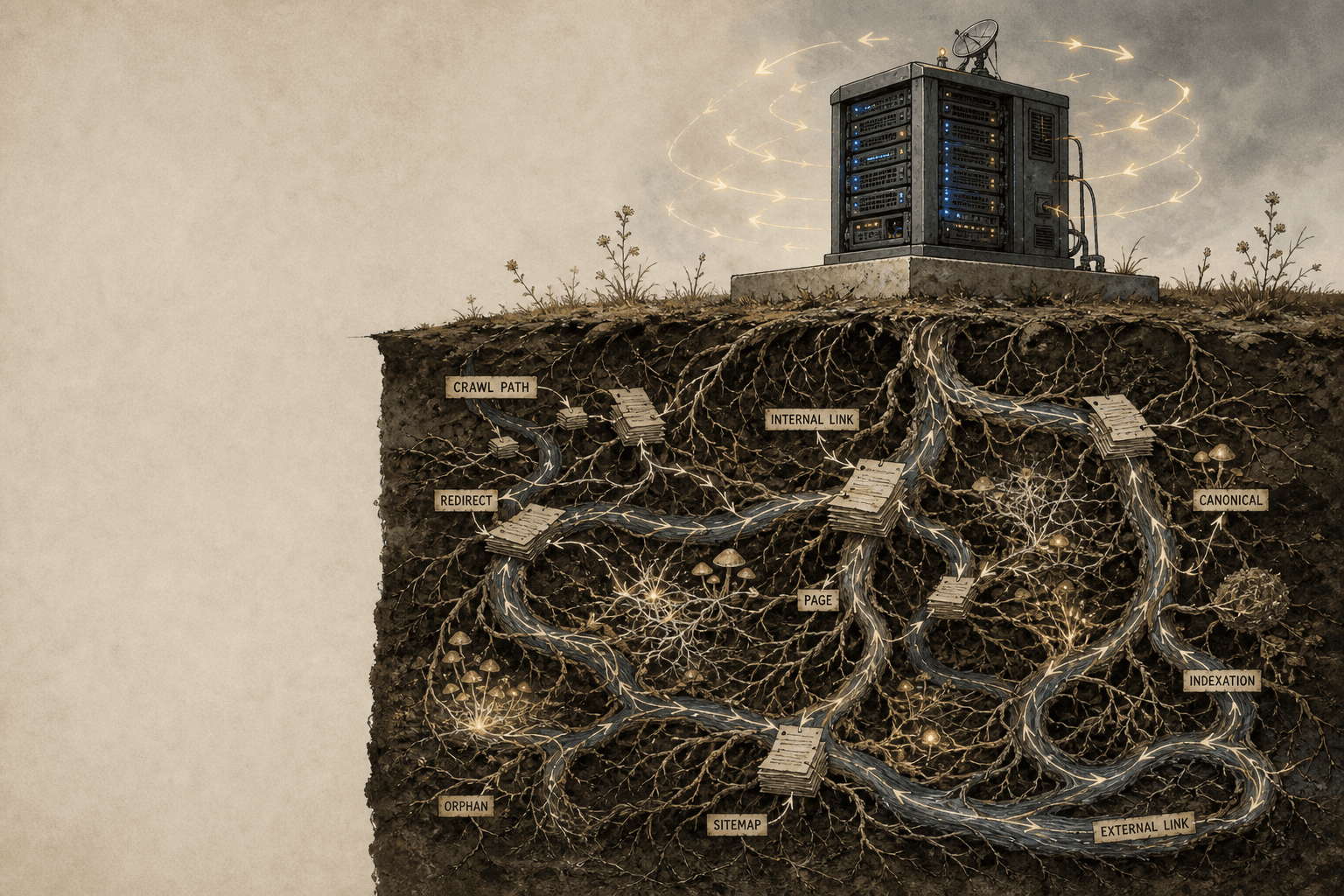
Internal links come next. Weak linking often hides strong pages from the rest of the site. Then we check cannibalization, template-level issues, and repeated page blocks that lower clarity across whole sections.
We also review trust cues at scale. That includes thin author pages, weak citations, missing update signals, and generic copy patterns. According to How To Survive Algorithm Updates With AI: An Ultimate SEO Guide, focused analysis can improve visibility by 1x in modeled comparisons. That matters when you need to understand the real pattern before editing anything.
Misconceptions that slow recovery
The biggest mistake is changing everything at once. Teams rewrite headlines, cut pages, swap templates, and still learn nothing. Fast motion feels productive, but it destroys the signal.
Another bad assumption is that one page caused the problem. In most cases, the issue sits at cluster level. The pages share the same weak angle, stale format, or internal competition. That is why isolated fixes rarely hold.
A third misconception is that recovery means copying whatever began rolling on the current results page. That shortcut misses brand fit and user need. Research from How To Survive Algorithm Updates With AI: An Ultimate SEO Guide shows some modeled outcomes can vary by 100x. So no, you should not change everything after a Google core update. You should find the pattern, fix the cause, and move with intent.
Our Google core update recovery system with SEO automation
Step 1 Confirm the update pattern
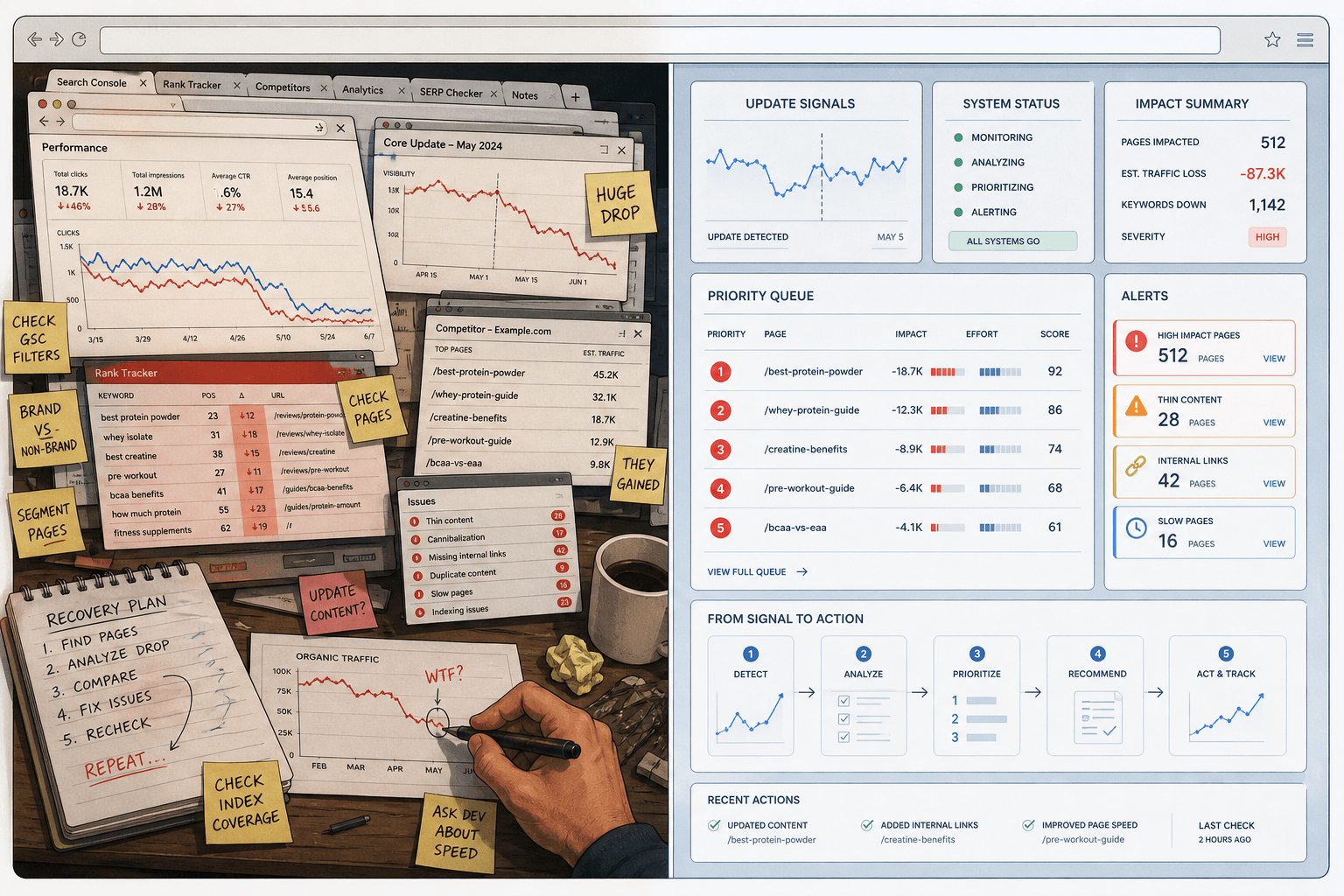
First, we confirm the loss pattern before changing anything. We segment declines by template, topic cluster, funnel stage, and page intent. That shows where the damage is concentrated. It also shows where a fix will matter most.
We do not start with random page edits. We compare ranking drops against indexation, crawl activity, and SERP shifts. Then we isolate whether the issue sits in blog templates, product pages, comparison pages, or mixed-intent clusters. This keeps the diagnosis grounded.
Recovery also takes time. According to Search Engine Journal, some forecasting models look roughly 60 days ahead when estimating update impact. That is a useful reminder. You should expect signals in stages, not overnight.
Step 2 Score pages by recovery opportunity
Next, we score pages by recovery opportunity. We look at rankings lost, business value, intent mismatch, content freshness, and internal support. A page with strong conversions may deserve attention before a page with higher traffic. Priority should follow impact, not emotion.
This is where agentic SEO helps. It can flag pages with stale entities, weak supporting topics, or thin internal links. But AI does not make the final call. People still need to judge brand fit, accuracy, and whether the page should be improved, merged, or retired.
Can AI help with Google core update recovery? Yes, if you use it correctly. AI is strong at pattern detection, clustering, scoring, and draft support. It is weak at judgment, nuance, and strategic trade-offs.
Step 3 Fix clusters not just pages
Then we fix clusters, not isolated URLs. If one page drops, the nearby pages often share the same weakness. The real issue may be SERP intent drift, overlapping articles, or missing support across the cluster. Page-by-page edits miss that pattern.
So we rewrite or consolidate based on what the search engine now rewards. We update angle, examples, entity coverage, freshness, and internal links. If two pages compete for the same query, we merge them. If a money page lacks support, we strengthen the surrounding cluster.
Step 4 Deploy changes with QA
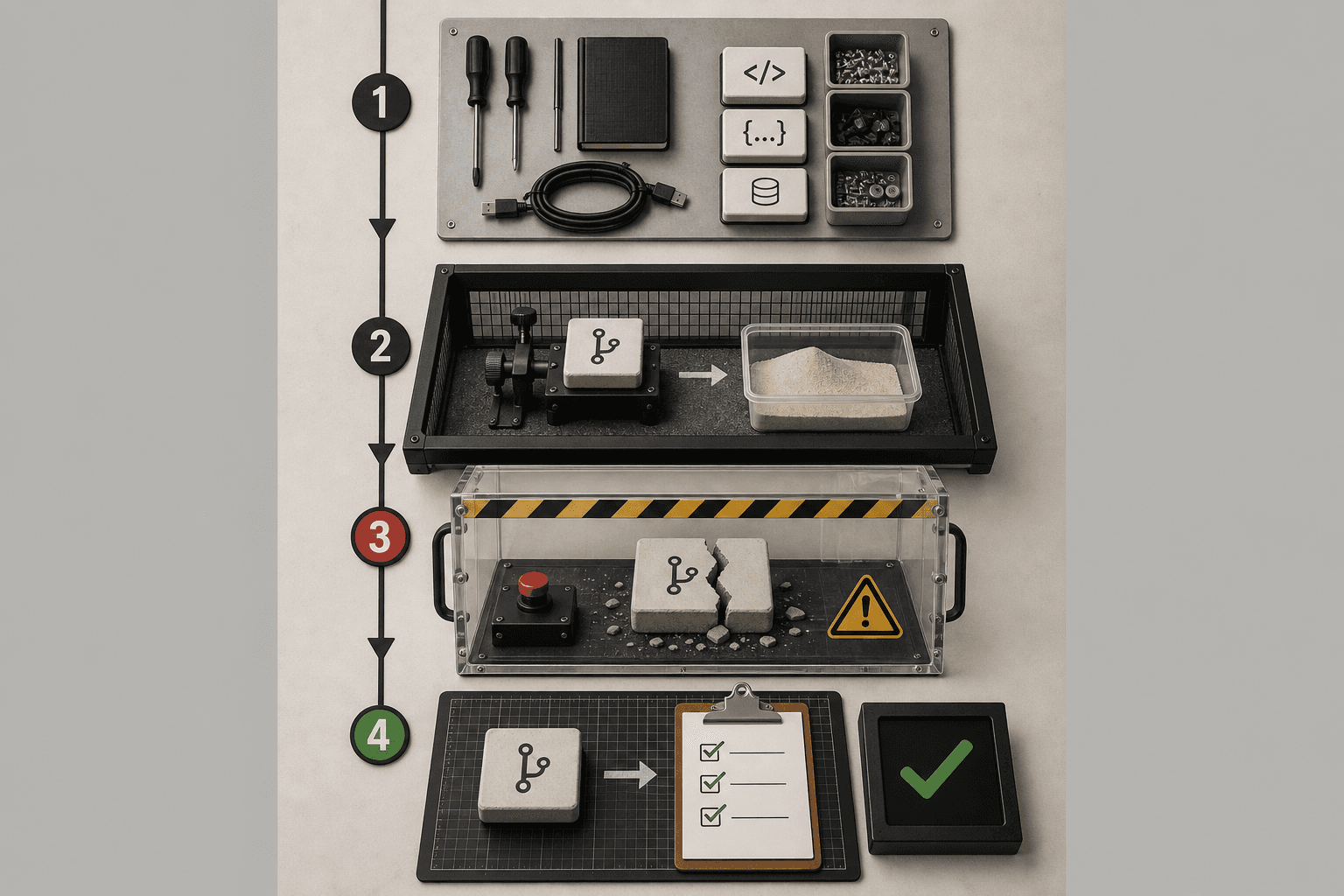
Last, we ship changes in controlled batches. We use QA checklists for metadata, canonicals, internal links, schema, and publish dates. That prevents sitewide overcorrections. Big panic moves usually create fresh problems.
Then we watch indexation, rankings, and page-level movement by segment. Research from Flewny points to a 90 days post-implementation window for measuring outcomes. In practice, we look for early directional wins first. Then we decide whether to expand, hold, or roll back.
Results, prevention, and autonomous SEO monitoring
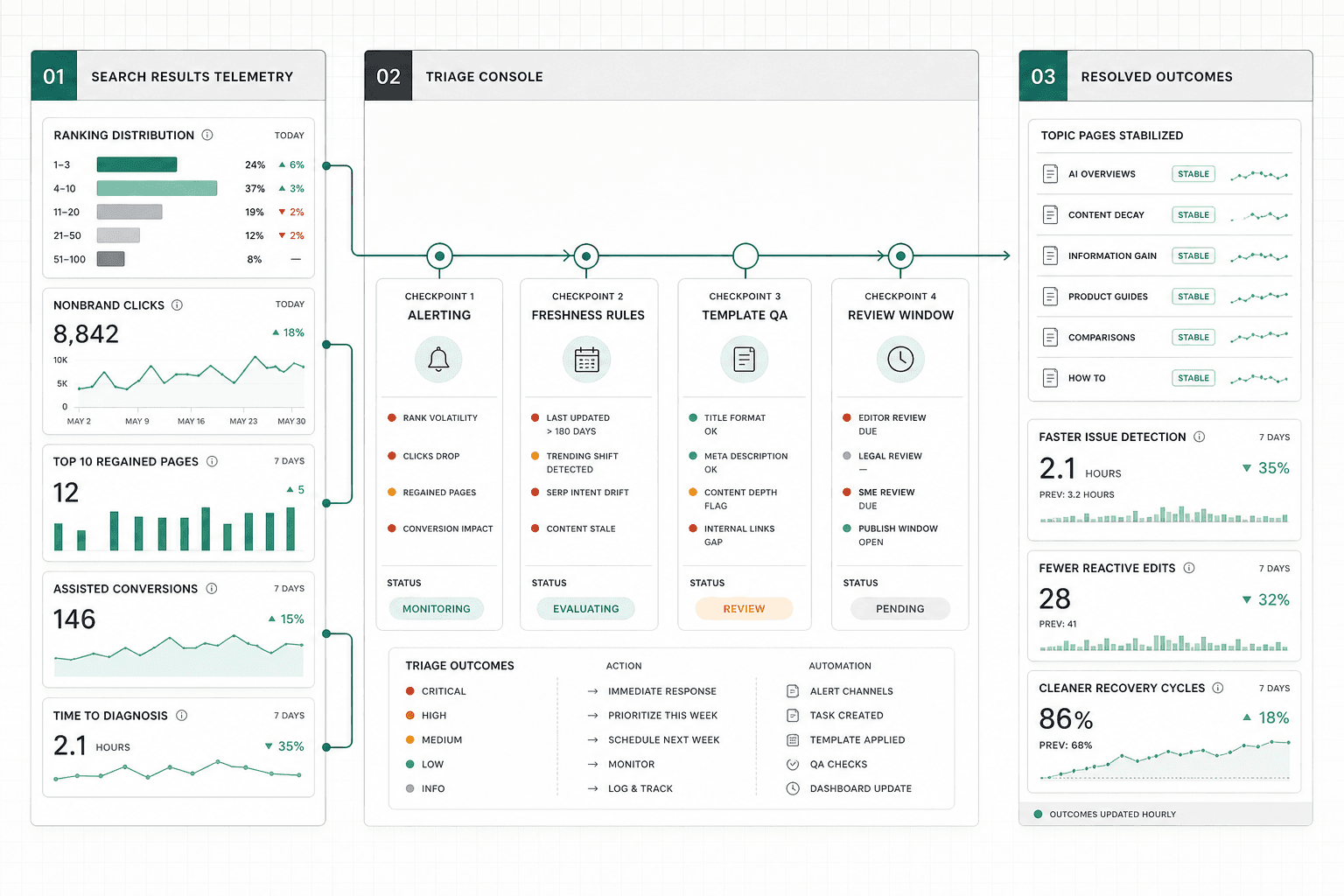
In practice, the first gains usually show up before rankings fully rebound. Teams get to the issue faster. They stop spreading effort across random pages. They prioritize the right clusters, publish cleaner updates, and cut down on reactive edits that create more confusion. That shift matters. A calmer workflow leads to better decisions, and better decisions compound across every update cycle.
The payoff is usually practical, not dramatic. We often see issue identification speed improve by 20 to 40 percent. We also see meaningful recovery across affected topic groups within one to three update cycles when changes match search intent, page quality, and site structure. That does not mean every page snaps back. It means you build a repeatable path to regain visibility where it matters most, while protecting conversion paths and reducing wasted motion.
Prevention is where this gets interesting. A Google core update will keep exposing weak systems. The answer is not panic mode. It is autonomous SEO monitoring, clear content freshness rules, template QA, and ongoing strategy with real governance. That means alerts for unusual movement, defined review windows for aging pages, checks for layout or metadata issues before they spread, and decision rules that stop last-minute guesswork. You do not need more chaos. You need a system that spots risk early and tells your team what to fix first.
That is the real win after a Google core update. You are not only recovering lost ground. You are building a more resilient search engine growth process with SEO automation, agentic SEO workflows, and stronger core update recovery habits. If your team is tired of diagnosing algorithm updates by feel, Try It Free and build a cleaner way to monitor, prioritize, and act.